

5
Running a trucking company is a lot like starring in a sitcom.
Every episode starts with optimism.
One of my new dispatchers walks into the office with a huge smile.
The trucks are rolling. Drivers are happy. Dispatch is smiling. Everyone is acting like we've finally unlocked trucking on "easy mode."
Then... I make the mistake of opening the aging report.
Record scratch.
One invoice.
Thirty days.
Another invoice.
Sixty days.
Then I spot one that's over 70 days old.
Suddenly the background laughter disappears.
Apparently, the only thing moving slower than those invoices was the payment.
By this point, we're owed about $24,000.
So I decide the next episode needs a different ending.
I accept one more load, but with one tiny condition:
"Let's clear up the outstanding invoices first."
Silence.
Not the good kind.
The awkward kind.
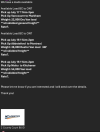
That's when I start making phone calls and eventually reach the customer directly. Based on what I was told, it appeared the load had been double brokered. The original broker was willing to pay for the current load if it was delivered.
Great.
That solves... exactly one load.
The other unpaid invoices are still sitting there like leftovers nobody wants to claim.
If trucking has taught me anything, it's this:
I'm curious how other carriers have handled situations where they later discovered a load may have been double brokered. What worked? What didn't?
Because if this episode can save someone else from starring in the sequel, it'll have been worth sharing.
NOTE
The broker involved in this experience was 1001396248 Ontario Inc. dba NT Logistics, located at 400–2 County Court Blvd., Brampton, ON L6W 3W8. According to our records, our company had approximately $24,000 in unpaid invoices, with the oldest invoice more than 70 days overdue. When we contacted the customer directly regarding a subsequent load, we were informed that the shipment had been double brokered.
Every episode starts with optimism.
One of my new dispatchers walks into the office with a huge smile.
Cue the cheerful theme music."I found a broker that's amazing! Loads are easy to book!"
The trucks are rolling. Drivers are happy. Dispatch is smiling. Everyone is acting like we've finally unlocked trucking on "easy mode."
Then... I make the mistake of opening the aging report.
Record scratch.
One invoice.
Thirty days.
Another invoice.
Sixty days.
Then I spot one that's over 70 days old.
Suddenly the background laughter disappears.
Apparently, the only thing moving slower than those invoices was the payment.
By this point, we're owed about $24,000.
So I decide the next episode needs a different ending.
I accept one more load, but with one tiny condition:
"Let's clear up the outstanding invoices first."
Silence.
Not the good kind.
The awkward kind.
That's when I start making phone calls and eventually reach the customer directly. Based on what I was told, it appeared the load had been double brokered. The original broker was willing to pay for the current load if it was delivered.
Great.
That solves... exactly one load.
The other unpaid invoices are still sitting there like leftovers nobody wants to claim.
If trucking has taught me anything, it's this:
- Easy loads don't always mean easy money.
- Trust is good; verification is better.
- Your aging report deserves more attention than your social media feed.
- And whenever everything seems a little too smooth, that's usually the universe warming up for a plot twist.
I'm curious how other carriers have handled situations where they later discovered a load may have been double brokered. What worked? What didn't?
Because if this episode can save someone else from starring in the sequel, it'll have been worth sharing.
NOTE
The broker involved in this experience was 1001396248 Ontario Inc. dba NT Logistics, located at 400–2 County Court Blvd., Brampton, ON L6W 3W8. According to our records, our company had approximately $24,000 in unpaid invoices, with the oldest invoice more than 70 days overdue. When we contacted the customer directly regarding a subsequent load, we were informed that the shipment had been double brokered.